
Your cart is empty. Let's change that!
Shop our productsOops! Something went wrong while submitting the form.
.webp)
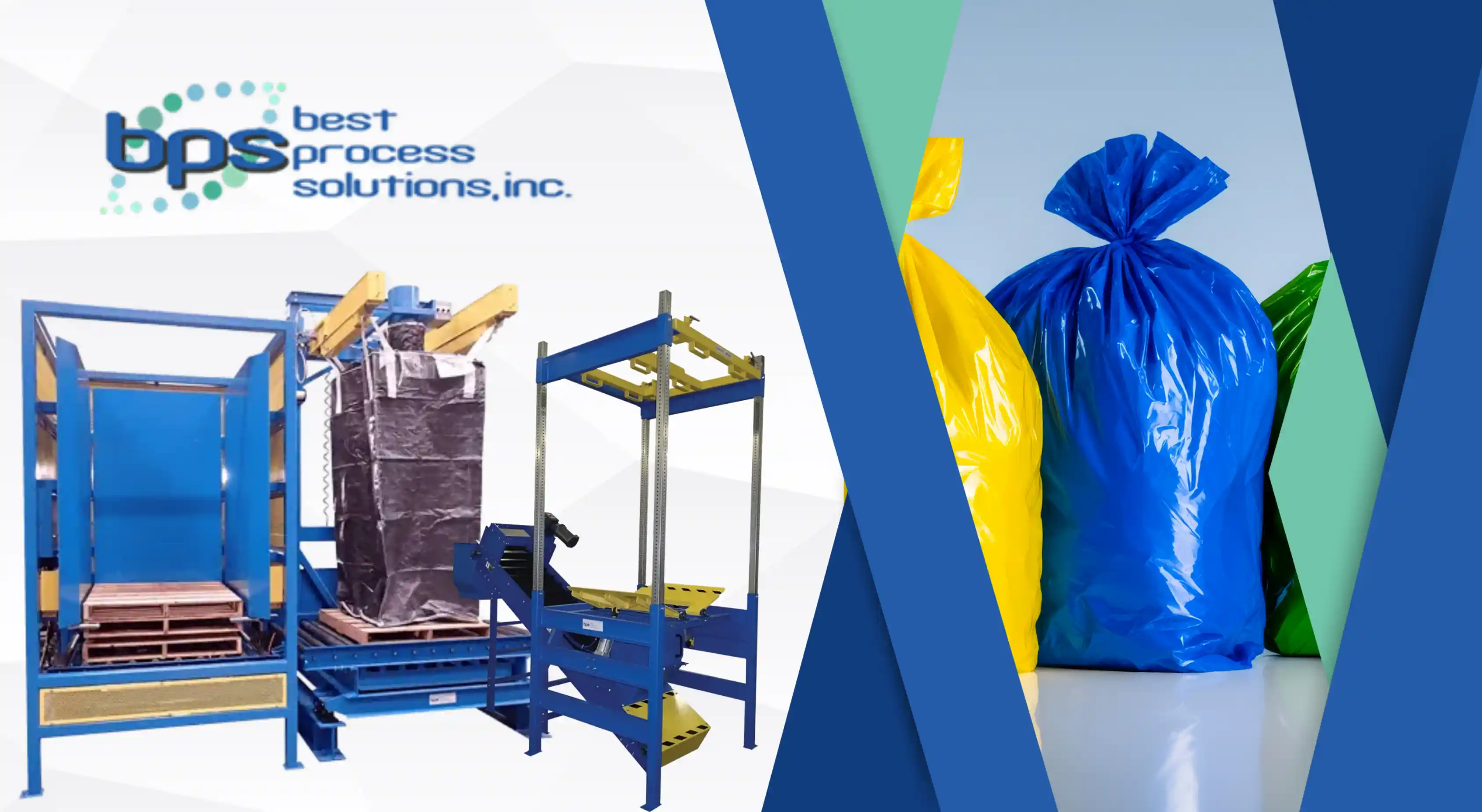
In today’s fast-paced industrial landscape, precision feeding is essential for achieving optimal product quality and operational efficiency. BPS systems are engineered to meet stringent tolerances while maximizing return on investment. This article delves into the core principles of precision feeding, the technologies powering these systems, and their applications across various industries, including food, pharmaceuticals, and specialty chemicals. Discover how BPS vibratory systems enhance accuracy and control, address common challenges, and contribute to a more sustainable future in high-accuracy operations.
Precision feeding has become a crucial component of modern production efficiency and product quality. With nearly all industries facing pressure to reduce waste and meet strict accuracy standards, BPS systems can ensure high-rate feeding performance and accuracy requirements in manufacturing through advanced measurement techniques.
Smart flow meter technology advancess and gravimetric feeders designed for bulk material processing enable organizations to maintain a consistent bulk solids mass flow measurement is crucial and measurement accuracy is vital for precision feeding flow rate in bulk solids handling, thereby optimizing their production process and material handling. Additionally, digital flow control technologies control can now be integrated with online taring for real-time adjustments, providing companies with operational stability while navigating the challenges posed by a diverse range of bulk materials, such as polyolefin and polyethylene production techniques processing and powdered sugar and other granular materials.
For manufacturers aiming to increase output and reduce costs, accurate feeding in bulk handling has become a necessity.
The core principles of precision feeding in bulk solids handling involve the accurate measurement of bulk solids mass flow, controlled feeding, and customized feeding mechanisms.
BPS employs state-of-the-art metering vibratory systems for precision feeding that enable continuous processing for operational efficiency capabilities and precise control of feeding, ensuring compliance with stringent accuracy requirements.
To achieve these objectives, several key principles come into play. First, precision measurement technologies, such as load cells for accurate measurement and volumetric flow meters for bulk material measurement, are essential for providing real-time data on material flow. This data enables precise adjustments in feeding rates, reducing waste and optimizing resource use.
Second, advanced feeding control systems for accurate dosing mechanisms, including automated systems and software algorithms, help maintain consistency across varying production demands. Together, these principles enhance the overall effectiveness of precision feeding, leading to improved productivity and cost-efficiency.
Key features such as load cells significantly enhance the precision of these systems by accurately measuring the weight of bulk solids during operation. Additionally, the capability of online taring allows for real-time adjustments, compensating for any variations in material density or moisture content. This ensures that the feeding technology operates optimally, reducing waste and improving overall efficiency.
Precision feeding plays a critical role in high-accuracy operations, as it directly affects product quality and consistency. This, in turn, enhances process control and overall efficiency in manufacturing processes.
By employing precise feeding mechanisms, businesses can ensure that each batch meets the stringent requirements for high-value materials, ultimately reducing waste and increasing profitability.
In industries like food manufacturing and plastics, precision feeding ensures that the right quantities are delivered consistently, which is essential for maintaining product integrity.
For example, in powdered sugar production, precise measurement prevents clumping and ensures uniform texture. Similarly, in polyolefin processing, accurate material feeding leads to consistent polymer properties, enhancing end-product performance.
Case studies indicate that companies adopting precision feeding see significant reductions in waste and variability, ultimately boosting customer satisfaction and lowering production costs.
Precision feeding systems leverage advanced technologies to ensure accurate material delivery, which is crucial for maintaining consistent product quality. By minimizing variations in feed rates, businesses can achieve optimal material utilization and reduce waste.
This not only enhances operational efficiency but also supports better inventory management. Additionally, integrating these systems with bulk material handling equipment can lead to smoother transitions between processes, ultimately fostering a more responsive and adaptive production environment.
As a result, manufacturers can respond swiftly to market demands while maintaining high standards of performance.
The technologies that support precision feeding are diverse, encompassing advanced BPS systems that employ automation and sophisticated flow control features to ensure optimal feeding performance.
These systems are designed to enhance feeding accuracy by minimizing material waste and ensuring consistent flow rates.
With adjustable frequency and amplitude settings, BPS's vibratory systems adapt seamlessly to various materials, from powders to granules. This adaptability not only boosts operational efficiency but also reduces downtime, allowing for more effective production cycles.
By integrating real-time monitoring, users can make informed adjustments, further optimizing performance.
Overall, BPS's advanced vibratory systems represent a significant advancement and coal processing approaches material handling in bulk material handling technology.
These systems utilize cutting-edge technologies to ensure optimal feed distribution, which is crucial for maximizing efficiency and reducing waste. For example, BPS employs automated dosing systems that adjust the feed quantities based on the specific needs of the livestock at any given moment. This not only enhances the health of the animals but also improves overall productivity.
Additionally, advanced sensors and monitoring tools provide continuous feedback, enabling swift corrections to feeding rates when necessary, ensuring that every animal receives the precise nutrition it requires.
Precision feeding technologies are employed across various sectors, including food production, pharmaceuticals, and specialty chemicals, where accuracy and consistency are essential.
For instance, in the food industry, automated dosing systems are used to blend spices and preservatives accurately, enhancing flavor while maintaining safety standards. In pharmaceuticals, precision feeding ensures that active ingredients are mixed in exact proportions, crucial for efficacy.
Similarly, in specialty chemicals, precise measurement of catalysts and solvents can improve product performance and reduce waste. By implementing these methods, companies not only improve their product quality but also increase operational efficiency and sustainability.
These techniques are crucial in industries where material integrity directly impacts product quality. The challenges associated with metering include material breakage, inconsistent flow rates, and contamination. Precision feeding systems address these issues by utilizing advanced sensors and control mechanisms that adapt to the material's properties. For instance, systems can be designed to:
Such solutions not only enhance efficiency but also ensure that the valuable materials remain intact throughout the production cycle.
Precision feeding systems often encounter greater implementation challenges when handling fragile materials, as these materials require specific handling and feed control to minimize waste and maintain product integrity.
These problems can lead to significant inefficiencies in feeding systems, affecting both productivity and product quality. For instance, material breakage can result in downtime, while inconsistent flow rates may cause uneven distribution of nutrients, impacting animal health and feeder control. Additionally, maintaining precise measurement accuracy and measurement methods is crucial; even slight deviations can lead to nutritional imbalances.
To address these challenges, innovative feeding technologies such as:
are being developed to enhance consistency and reliability in feeding operations.
To enhance the efficiency of precision feeding including aluminum and grain, BPS Engineering utilizes advanced sensor technologies that monitor material flow and adjust feeding rates dynamically. This adaptability is crucial for maintaining consistency, particularly when dealing with diverse materials.
Additionally, their methodologies incorporate predictive analytics to anticipate feed requirements, minimizing waste and optimizing resource usage. By employing a combination of real-time data analysis and custom engineering, BPS ensures that the feeding systems are not only reliable but also tailored to meet specific operational needs.
The future of precision feeding technology will involve the automation of operations and high capacity and the integration of smart systems designed to improve measurement accuracy and operational efficiency, while also enhancing sustainability.
This transformation is particularly evident in sectors such as agriculture and manufacturing, where automated feeding systems ensure precise nutrient delivery to livestock or materials to production lines.
For example, sensors used in detergent manufacture can monitor feed composition in real-time using additives, adjusting quantities based on varying needs. Moreover, data analytics enable predictive maintenance, minimizing downtime and optimizing resource use.
The benefits of these technologies include enhanced efficiency, reduced waste, and improved product quality, making automation an critical part of modern precision feeding strategies.
These trends not only enhance productivity but also align with global sustainability goals. By leveraging data analytics, companies can tailor feed formulations to meet the specific nutritional needs of livestock, thereby minimizing excess and maximizing feed efficiency and operating stability.
Furthermore, advancements in sensor technology and real-time monitoring systems and traditional technologies enable farmers to track feed utilization closely, leading to more informed decisions. As these technologies evolve, the potential for improved animal health and reduced environmental impact becomes a reality, paving the way for more sustainable agricultural practices.
Best practices in precision feeding guarantee optimal performance and measurement accuracy, which ultimately enhances product quality and operational efficiency across various industries.
First, planning is crucial; it requires a thorough assessment of current feeding practices and identifying areas for improvement.
Next,
Additionally, selecting the right technology tailored to your operation's specific needs will enhance overall functionality. This combination of strategic planning, comprehensive training, and appropriate technology not only streamlines operations but also leads to improved animal health and productivity.
To achieve this, implement a routine schedule for checking and calibrating equipment to improve batch processes. Regular inspections allow you to identify wear and tear before they escalate. Consider these best practices:
By adhering to these guidelines, you can enhance the reliability and efficiency of your precision feeding systems.
The implementation of precision feeding technologies for coffee production is essential for organizations aiming to enhance product quality and achieve a high return on investment through efficient operational practices.
For instance, in the agricultural sector, precision feeding has been shown to significantly reduce feed costs while improving animal health. This optimization not only lowers expenses but also increases yield quality, leading to higher market prices. Case studies indicate that farms employing precision feeding techniques can achieve up to a 20% increase in productivity.
Moreover, in the food production industry, enhanced data analytics allow for better tracking of nutritional profiles, ensuring that consumers receive high-quality products tailored to their needs.
With BPS, you can expect a personalized approach that addresses your specific challenges, leading to improved efficiency and reduced waste. Their team of experts will work closely with you to develop strategies that optimize feed utilization and enhance animal health. Custom precision feeding solutions not only boost productivity but also contribute to sustainability goals.
Don't hesitate to reach out for a consultation and unlock the potential of your operations with tailored solutions from BPS.
Here are some common questions. Please contact us if you have a question we didn't answer.


.webp)