
Your cart is empty. Let's change that!
Shop our productsOops! Something went wrong while submitting the form.
.webp)
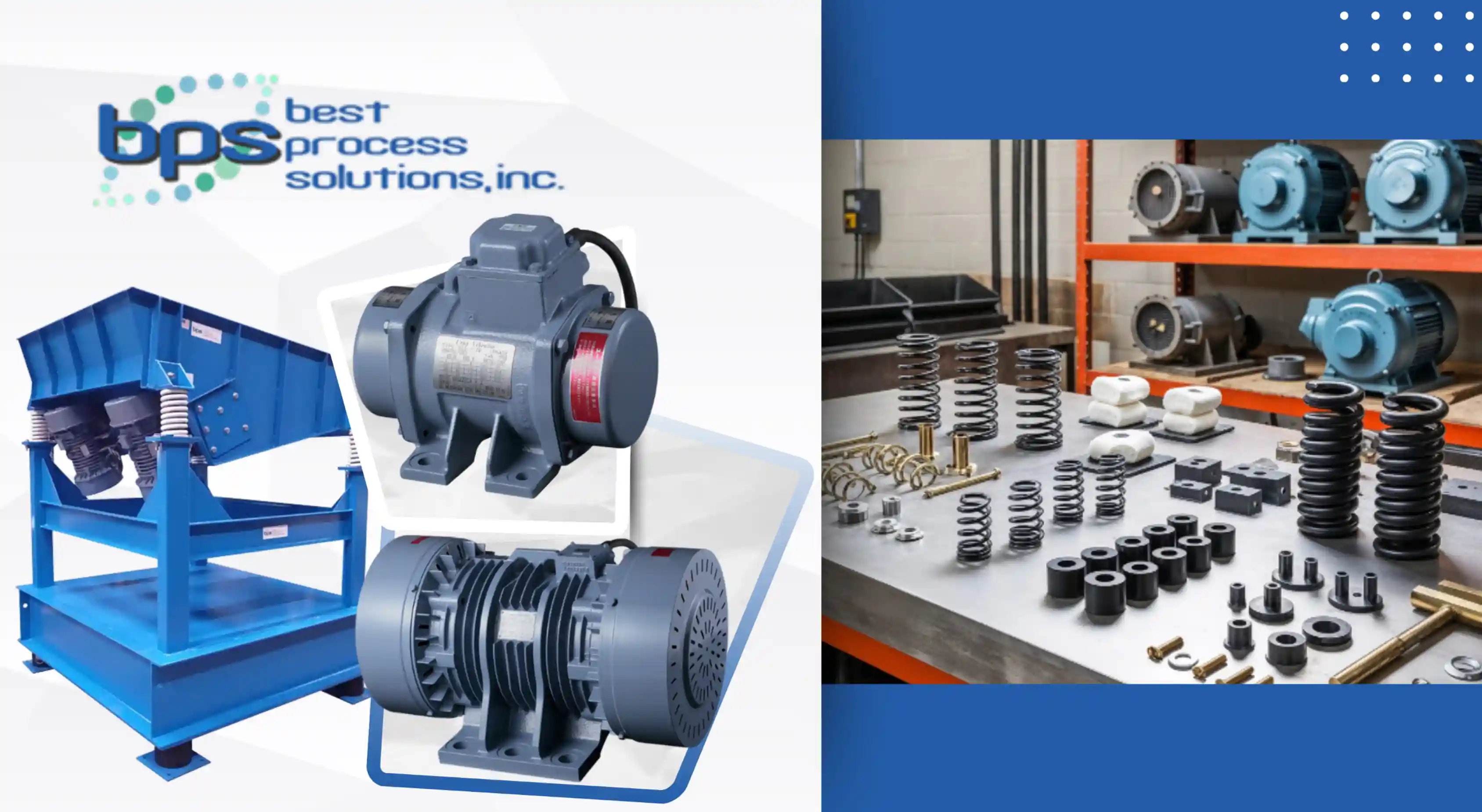
In the realm of vibratory machines, the performance heavily depends on the reliability of essential components such as springs, motors, and drive systems. When these parts begin to wear out, the consequences can be severe, leading to costly downtime, reduced efficiency, and compromised product quality. This article delves into the significance of timely replacement, how to identify signs of wear, and best practices for sourcing high-quality parts. Learn how BPS can help you maintain peak performance in your machines and avoid expensive disruptions.
The significance of replacement parts for vibratory machines is highlighted by the need for prompt repairs to prevent costly downtime. Components such as vibratory feeders, coil springs, marsh mellow springs, and striker plates, if worn out, can lead to inefficient operation of the machines. This inefficiency can result in material processing issues and even pose safety hazards.
Best Process Solutions (BPS) produces high-quality replacement parts designed to ensure the optimal performance and longevity of your vibratory equipment. By utilizing these parts, you can help guarantee that your vibratory processing plants operate smoothly and reliably for as long as possible.
Worn-out components in vibratory systems present significant risks that can impact equipment reliability and productivity in processing facilities. Damage to parts such as steel coil springs and linear feeders, resulting from wear and tear, can lead to costly downtime, reduced vibration efficiency, and unsafe conditions for both operators and equipment.
Equipment downtime in vibratory systems can result in significant financial losses, making it essential for processing facilities to detect early signs of wear in their components to prevent prolonged shutdowns. Analyzing operational efficiency reveals that downtime directly correlates with lost productivity, often resulting in substantial costs.
For instance, one study estimates that unplanned downtime can cost companies up to $250,000 per hour, depending on the industry. These potential losses underscore the critical importance of early detection. (Deloitte—Asset Performance Management)
The impact of downtime can affect both short-term revenue and long-term customer relationships. To mitigate these costs, facilities should implement a preventive maintenance strategy that includes:
By focusing on these areas, businesses can reduce maintenance costs and enhance overall operational efficiency.
As components in vibratory machines wear out, there is a noticeable decline in vibration efficiency, which can negatively impact product quality during processing operations. When the vibrational elements operate below optimal levels, the risk of production defects significantly increases.
This is especially true for critical components such as feeder bowls and striker plates. Feeder bowls are essential for directing materials accurately through the system, making their proper function paramount. If these surfaces become worn or misaligned, the flow of materials can become erratic, leading to inconsistent handling and potential jams.
Similarly, striker plates, which help maintain energy transfer and precise vibrational control, play a crucial role as well. Incorporating high-quality springs is essential, as they absorb shock and contribute to the overall durability of the machinery.
Without sufficient durability in these parts, the likelihood of defects in the final product increases, ultimately affecting reliability and customer satisfaction.
Increased maintenance needs due to faulty components can lead to higher safety hazards in the operation of vibratory systems, making a robust maintenance program essential. Analyzing the broader relationship between maintenance requirements and safety reveals that neglecting the operational condition of machines can have devastating consequences.
Frequent inspections, including spring check, are crucial for identifying potential dangers before they result in serious accidents. Worn-out components can compromise the overall structural integrity of machines, leading to sudden breakdowns or unpredictable equipment performance. Failing to replace these parts increases the risk of heavy machinery malfunctions, posing significant safety threats to workers near the equipment. See OSHA Safety & Health Management Systems.
A well-defined safety program that includes regular maintenance inspections can help mitigate these risks. Furthermore, prioritizing the operational condition of vibratory systems in processing plants not only enhances efficiency but also fosters a safer working environment for personnel, thereby protecting both equipment and employees.
Accurately determining the right time to replace parts in vibratory equipment is crucial for maintaining operational efficiency and preventing costly breakdowns. Recognizing wear on key components, such as motors, springs, and drive units, can help facilities avoid prolonged downtimes and ensure that production processes run smoothly without interruption.
Important indicators, such as worn spring packs, non-harmonic vibration frequencies, and surface damage on equipment, can signal the need for replacement and require immediate attention. For vibration condition limits, see ISO 20816/10816.
Monitoring signs of wear in springs is essential for maintaining vibratory systems, as these components are crucial for weight support and vibration efficiency. Adopting a systematic approach to assessing the condition of these elements can significantly enhance overall operational performance.
Regular inspections should include visual assessments to identify surface damage such as rust, cracks, and deformation. It is also important to check the proper coil gap, possibly using a gauge block, as an irregular gap may indicate misalignment or fatigue, which can lead to premature failure. Reference: ASTM A228 (music wire).
Implementing a thorough maintenance schedule that incorporates these checks will not only extend the lifespan of the springs but also protect the vibratory system from more severe damage in the future.
Additionally, monitoring specific indicators related to various types of springs—such as compression, extension, and torsional springs—can further enhance durability. Key aspects of inspection include surface damage assessment, coil gap evaluation, torque spec verification, and adherence to routine maintenance schedules.
The most common indicators of motor wear in vibratory feeders include excessive noise, inconsistent feed rates, and overheating. These issues are often worsened by a lack of regular maintenance, monitoring, intervention, and upgrades to the feeder motor components. Such indicators not only affect the functionality of vibratory feeders but also significantly diminish their efficiency, leading to costly downtimes. It is essential for operators to recognize the primary symptoms of motor wear in order to take corrective action promptly. If left unaddressed, these signs can result in catastrophic damage, often necessitating a complete replacement of the motor assembly. See NEMA MG-1 and IEEE motor maintenance resources.
To help prevent this, operators should be aware of the most common symptoms of motor wear in vibratory feeders:
Regular monitoring and prompt corrective action, including motor component upgrades, are critical for addressing motor wear issues. Upgrading or replacing worn-out motor components not only enhances the performance of the vibratory feeder but also reduces the likelihood of sudden failures. Therefore, adherence to maintenance schedules and the implementation of advanced technologies are excellent strategies for improving operating life and efficiency. Consider BPS controls & monitoring.
Plus springs and motors, other key components of vibratory systems also exhibit signs of wear that require careful monitoring to ensure optimal functionality. For example, the drive unit and the striker plate are crucial for the overall performance of these systems. A regular maintenance routine is essential for identifying specific signs of wear in these components, such as abnormal vibrations or unusual noises that may signal impending failure. Neglecting these indicators can lead to decreased efficiency, increased operational costs, and significant downtime. For bearing-related wear, see SKF: Why bearings fail.
For the drive unit, it is important to look for signs of overheating, lubricant depletion, and check the coil face for any wear. Meanwhile, when monitoring the striker plate, check for cracks or surface wear that could disrupt material flow. By prioritizing these maintenance checks, including coil and spring maintenance, one can prevent costly repairs and ensure that vibratory processing systems operate smoothly and effectively.
Proper selection of replacement parts for vibratory equipment is crucial for maintaining the performance and reliability of materials processing operations, especially during spring replacement. Key factors include the quality of components (such as springs), the specifications of components (like motors), and the compatibility of components with existing parts.
Understanding the differences between various types of springs, such as marshmallow springs and leaf springs, along with their operational parameters, can give the power to facilities to make more informed decisions when it comes time to replace equipment, and maintain optimal operation.
Several factors contribute to the quality of the springs chosen for vibratory systems, including durability, material composition, and the types of springs that best fit your operational needs, such as spring pairs and low maintenance springs. One of the most significant characteristics of high-quality springs is the strength of the material from which they are made, as this directly impacts their durability and the speed at which they wear out under regular use.
Springs constructed from high-quality alloys or high-carbon steel offer superior elasticity and fatigue strength, setting them apart and ensuring they can endure repeated stress without permanent deformation, vital for materials processing. Additionally, the manufacturing process plays a crucial role in spring performance, with heat treating being one example of a procedure that can enhance performance. See ASM International for materials best practices.
To protect the longevity of springs, consider the following maintenance tips:
The motor specifications of vibratory feeders, including torque specifications and operational parameters, are essential for optimal performance. Selecting the appropriate power rating significantly influences the overall effectiveness and efficiency of a vibratory feeder system.
The power rating affects the motor's capacity to provide the necessary maximum force for the application, directly impacting the system's speed and adaptability. Torque specifications are also crucial for vibratory feeder applications; higher torque values enable the motor to manage varying material loads effectively, thereby enhancing operational reliability. (DOE—Motors & Drives Efficiency)
The efficiency rating of a motor indicates how effectively it converts electrical energy into mechanical energy. This rating is vital because it ensures the system can perform its required functions while minimizing energy consumption and operational costs.
When these specifications are properly maintained, they lead to limited downtime and an extended service life for the entire vibratory feeder system, making regular monitoring and assessment critical for users.
When selecting replacement parts for vibratory machines, durability and precision are essential, as these qualities directly influence the reliability and efficiency of the entire system. The strength of the materials used is a key factor in determining component quality, as it significantly impacts the durability of parts in demanding environments.
The lifespan of each part largely depends on its ability to withstand the constant forces and vibrations encountered during operation, particularly the natural frequency of the equipment. Even minor inaccuracies in the fitting process during manufacturing can lead to increased wear and tear, ultimately reducing functionality. High-quality parts ensure reliable operation and minimize downtime.
Precision engineering enhances overall functionality by facilitating seamless integration and a better fit. In contrast, opting for low-quality replacements can result in frequent failures and higher maintenance costs, negatively affecting the system's productivity.
It is crucial to recognize that using high-quality, precisely engineered replacements directly affects equipment reliability, particularly in the case of spring replacements, where the performance of one component can influence the effectiveness of the entire machine.
Best Process Solutions (BPS) offers engineered replacement parts for vibratory systems, ensuring reliability through designs optimized for peak performance. They provide engineered components for a diverse array of vibratory systems, all tailored to meet the stringent demands of materials processing.
BPS delivers customized solutions that address the unique requirements of each system, enhancing both efficiency and safety.
BPS's replacement parts are meticulously engineered for both performance and longevity, ensuring that vibratory systems can operate efficiently and reliably under demanding conditions. The thoughtful application of engineering principles in BPS's design process reflects a strong commitment to excellence and innovation.
By utilizing advanced materials, such as high-strength steels and corrosion-resistant alloys, these parts are able to withstand extreme wear and tear, significantly extending their lifespan. For example, in mining operations, BPS components have shown a remarkable ability to maintain consistency while processing heavy materials, resulting in reduced downtime and increased throughput, vital for vibratory feeder systems.
Additionally, sophisticated design elements, such as optimized mounting systems and vibration-dampening features, enhance the overall stability of the equipment. These advancements not only improve operational efficiency but also lower maintenance costs, making BPS parts an invaluable asset in various processing facilities.
BPS offers customized solutions tailored to meet the specific needs of customers seeking replacement parts and maintenance, acknowledging that each vibratory system has unique requirements. In today's competitive market, personalized solutions are more essential than ever.
Clients encounter distinct challenges that necessitate tailored approaches for their vibratory equipment. By conducting in-depth assessments of individual system requirements, BPS ensures that customers receive not only the appropriate parts but also relevant maintenance solutions that enhance overall system efficiency. Explore BPS Field Service.
This personalized service helps minimize unnecessary downtime, which is a critical factor for many industries. Customized maintenance solutions not only extend the lifespan of equipment but also improve system performance, leading to significant cost savings.
Through regular on-site consultations, comprehensive system assessments, and follow-ups to monitor effectiveness, BPS positions itself as a partner in maintaining system integrity and performance. Therefore, collaborating with a provider that can adapt to and fulfill specific needs can significantly enhance operational performance and profitability.
BPS has documented case studies demonstrating the effectiveness of its replacement parts and solutions in bulk processing industries, resulting in measurable improvements in operational efficiency. These studies highlight the significant impact of BPS components across various bulk processing operations.
For instance, one BPS customer reported a 30% increase in productivity after installing BPS parts, attributing this improvement to reduced downtime. BPS components and solutions have effectively addressed challenges in several instances:
Best practices for maintaining vibratory machines focus on ensuring these machines have the longest possible lifespan while operating at optimal levels during processing operations.
Regularly scheduled maintenance, which includes inspections and the vibratory springs replacement according to the manufacturer's recommendations, significantly reduces the likelihood of unexpected breakdowns and the associated costs.
Additionally, using OEM-quality parts from trusted vendors like BPS is crucial for maintaining the reliability of the equipment.
Spring maintenance is a critical aspect of ensuring that vibratory systems function efficiently.
Scheduled maintenance and regular inspections are essential components of an effective maintenance program for vibratory systems, facilitating early detection of wear, oxidization and necessary repairs. A structured maintenance schedule enables operators to adequately safeguard their equipment operation against unexpected failures and costly repairs. Consider Reliability-Centered Maintenance (RCM).
The significance of scheduled maintenance for vibratory equipment cannot be overstated, as it extends the equipment's lifespan and enhances its performance. Effective scheduled maintenance includes the following key practices:
By implementing a proactive maintenance system, operators can minimize downtime, thereby improving productivity and operational efficiency. Regular assessments will ensure that vibratory systems are performing optimally and contributing value to production processes.
OEM-quality parts from BPS ensure that vibratory systems remain reliable and function optimally because they are manufactured to match the original components and are designed to fit seamlessly within existing systems. Selecting the right parts is crucial for equipment maintenance, as the quality of these components can significantly impact overall functionality. Utilizing OEM-quality parts enhances compatibility and vibration frequency with existing equipment, making installation easier and minimizing the likelihood of operational failures. Browse BPS Replacement Parts.
The following three factors highlight the importance of regular OEM-quality part maintenance in vibratory systems:
In the long run, OEM-quality parts are the preferred choice for maintaining equipment, as they help reduce long-term expenses and are more likely to preserve the value of the machinery by maintaining the base plate integrity.
A long-term collaboration with BPS for maintenance provides processing facilities with access to expert maintenance solutions and high-quality replacement parts, ensuring the consistent performance of vibratory equipment. This partnership not only enhances the operational efficiency of vibratory processing systems but also fosters a preventive maintenance culture that minimizes downtime and reduces costly repairs.
By working with BPS, processing facilities benefit from knowledge that extends beyond standard service. Their expertise allows for quick resolution of issues through effective troubleshooting and tailored solutions. The consistent availability of parts through BPS ensures that production schedules remain on track, enabling facilities to focus on maximizing output while maintaining high processing quality. Start here: Contact BPS or request Field Service.
Key benefits include:
The key takeaways from this article emphasize the importance of using high-quality replacement parts and performing regular maintenance to ensure the reliability and efficiency of vibratory systems.
Utilizing BPS replacement parts and service support can significantly enhance the operational lifespan and performance of your vibratory systems, maximizing productivity while minimizing downtime.
As you evaluate your equipment maintenance needs, make sure to take the next step by sourcing your quality parts, including Carrier Vibrating Equipment and custom solutions from BPS to guarantee optimal operations.
The return on investment (ROI) from using BPS replacement parts is significant, as they not only enhance performance but also reduce costs associated with downtime and maintenance. High-quality BPS parts, including Striker Plates and Linear Feeders, enable companies to achieve impressive performance metrics, yielding several positive outcomes.
These benefits include:
Therefore, the decision to utilize BPS parts positively influences both a company's performance and its financial health. See also ISO 14224 (reliability & maintenance data).
To ensure optimal performance, reliability, and longevity of your vibratory systems, you should seek the best service support, quality replacement parts, and customized maintenance plans from BPS. BPS enhances equipment efficiency through immediate problem resolution and a focus on long-term sustainability. They offer high-quality components that can significantly improve the performance of your vibratory systems.
Here are some of the services they provide:
Contact BPS today to learn how their services, including a Service Agreement Program, can help you enhance your systems and boost overall productivity.
Here are some common questions. Please contact us if you have a question we didn't answer.


.webp)