The Cost of Vibratory Feeder Failures
When a vibratory feeder fails, the whole line feels it. Product stops flowing out of surge bins and hoppers, upstream equipment backs up, and operators scramble to clean, reset, or bypass the problem.
The impacts are straightforward:
- Lost production while the feeder is down
- Extra labor for troubleshooting, cleanup, and rework
- Missed ship dates and pressure on already tight shutdown windows
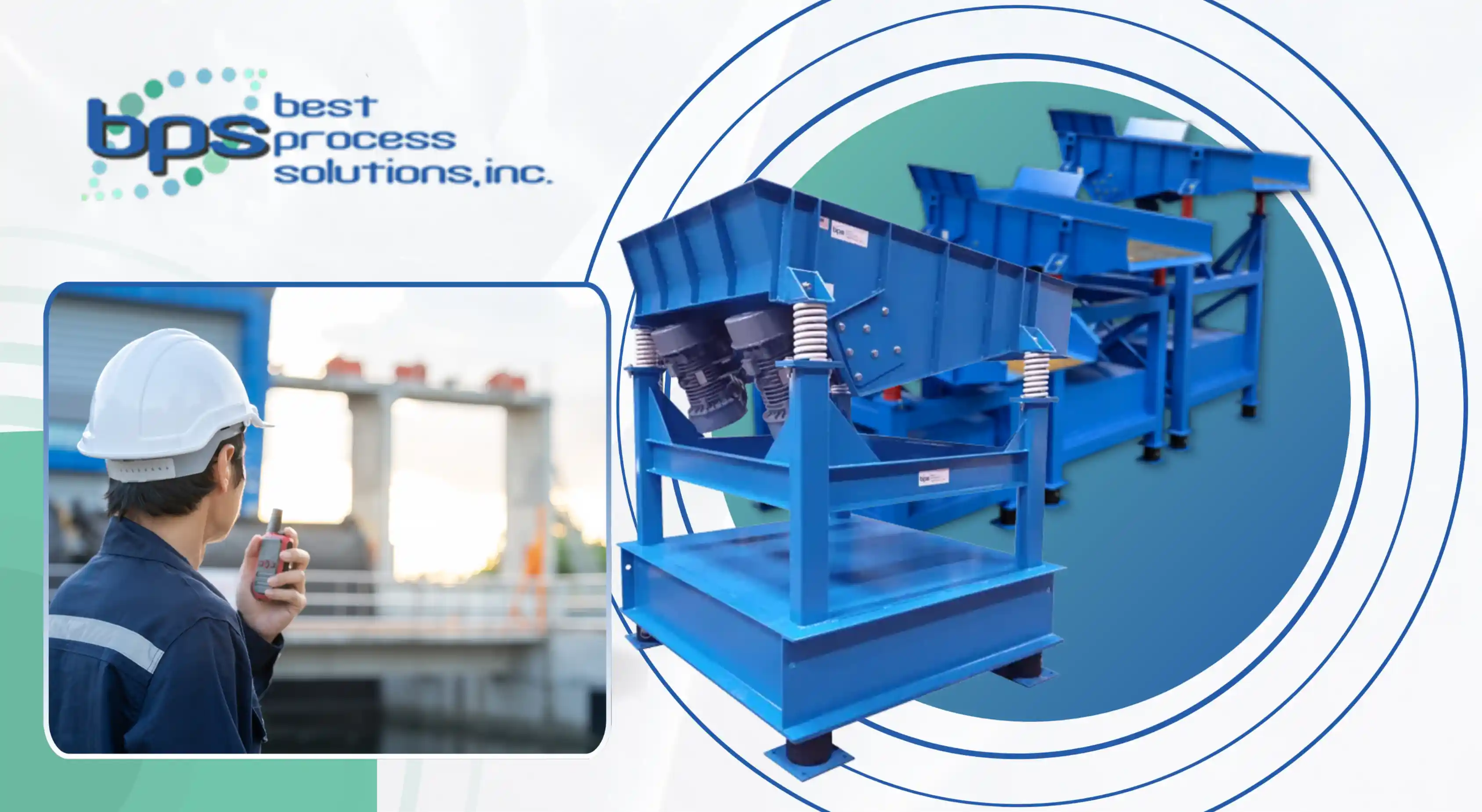
Best Process Solutions (BPS) designs and builds vibratory feeders to reduce those risks. The goal is simple: fewer surprises, longer service intervals, and feeders that are easier to keep on spec.
By understanding the most common failure modes and their warning signs, plants can:
- Reduce unplanned downtime
- Improve reliability across feeders, conveyors, and bulk bag fillers
- Stretch the life of equipment already in the field
Common Causes of Vibratory Feeder Failures
Most feeder failures trace back to a small set of issues that build over time. The root causes often overlap.
Typical failure drivers include:
- Wear and fatigue in critical components
- Improper setup, mounting, or calibration
- Electrical and control system problems
- Weak or inconsistent maintenance practices
Tackle those and you remove most of the surprises that shut a line down.
Wear and Tear on Critical Components
Every vibratory feeder spends its life shaking itself apart. That is the job. The trick is controlling how and where the wear happens.
Key components that take the abuse:
- Vibration motor
Drives the oscillation. Bearing wear, winding damage, or imbalance shows up as hot cases, unusual noise, or drifting amplitude. - Springs and suspensions
Coil springs, rubber mounts, and hanger assemblies see constant cycling. Over time they fatigue, crack, sag, or lose stiffness. - Vibrating bowl or trough
The working surface can wear thin, crack at welds, or go out of balance. Liner wear and uneven build up also change how the feeder runs.
Regular inspections should look for:
- Cracks, corrosion, and distortion on springs and suspensions
- Loose hardware or shifted mounting points
- Hot spots, oil leaks, or noise from the motor
- Uneven wear or buildup on the bowl or trough
Quick checks like these catch small problems before they turn into a feeder that chatters, runs out of spec, or fails outright in the middle of a run.
Improper Setup and Calibration Errors
Even a well built feeder will misbehave if it is not set up correctly.
Common setup and calibration issues:
- Feeder not level or not properly supported
- Adjustable feet set wrong, leaving the frame twisted or rocking
- Stroke and amplitude not tuned to the material and feed rate
- Incorrect air gap or settings on electromagnetic drives
These problems show up as:
- Inconsistent feed rates and material surging
- Material hanging up in the pan, chute, or transition
- Extra noise, vibration, and premature wear on structural members
To keep a feeder on spec, plants should:
- Level and anchor the base before putting the feeder into service
- Verify amplitude and frequency during commissioning and after major changes
- Include setup checks in regular maintenance routines, not just at install
Good calibration does more than stabilize flow. It reduces stress on components, lowers energy use, and cuts down the number of times maintenance has to revisit the same piece of equipment.
Electrical and Control System Issues
Many feeder problems start inside the panel, not at the pan.
Typical trouble spots:
- Loose or corroded connections in the electrical circuit
- Frayed or damaged wiring between controls and the feeder
- Malfunctioning vibration exciter or electromagnetic drive
- Out of spec control parameters after unrecorded adjustments
These issues can cause:
- Erratic operation and unstable vibration
- Nuisance trips and feeders that will not restart
- Overheating of motors or drives
Good electrical and control practices include:
- Periodic torque checks on terminals and lugs
- Visual inspection of conduit, cable, and junction boxes
- Verification of control settings after service or component changes
- Regular review of vibration parameters to ensure they match design
Treat the control system like any other wear item. When it gets routine attention, feeders run smoother and operators spend less time chasing intermittent faults.
The Cost of Failures: Downtime, Repairs, and Lost Production
Every hour a feeder is down, tons per hour disappear. Add in overtime, wasted material, and rescheduling, and the true cost of a simple failure climbs quickly.
Direct and indirect costs include:
- Lost production from unplanned stoppages
- Emergency repair labor and rush parts
- Scrapped or off spec product from inconsistent feeding
- Extra housekeeping to clear spills, backups, or plugged chutes
Looking at ROI only through the lens of upfront equipment cost misses this reality. The bigger question is: what does each unplanned outage cost in output and labor, and how often does it happen?
How Even Small Failures Lead to Large Costs
Most big failures start small.
Examples:
- A minor vibration dampening issue that lets the feeder shake a support loose
- A slightly cracked spring that shifts amplitude just enough to cause erratic flow
- A dirty control cabinet fan that lets electronics run hotter than they should
In isolation these seem trivial. On a busy line they quickly become:
- Short stops that turn into extended cleanouts
- Extra cycles on lockout tags while teams hunt for the cause
- Secondary damage to chutes, hoppers, or downstream equipment
Catching and fixing small problems early:
- Keeps material moving
- Protects mechanical and electrical components
- Prevents a nuisance issue from turning into a full rebuild
ROI Risks of Ignoring Preventive Action
Skipping preventive maintenance looks cheap on a spreadsheet. On the plant floor it usually shows up later as a bad surprise.
Ignoring routine care can lead to:
- Unexpected breakdowns in the middle of peak demand
- Higher repair costs when multiple components fail together
- Chronic reliability issues that drag on throughput and staff morale
The ROI math is straightforward:
- Steady, planned maintenance costs are predictable and controllable.
- Emergency outages and rebuilds are expensive, disruptive, and often avoidable.
Plants that stay ahead of feeder wear see fewer after hours calls, smoother production schedules, and better use of maintenance resources.
Proactive Maintenance Strategies with BPS
BPS vibratory feeders are engineered to make inspection and service as straightforward as possible. When plants pair that design with a proactive maintenance plan, reliability improves and failures drop.
A solid plan usually includes:
- Regular inspections and condition monitoring
- Lubrication and cleaning schedules suited to the material and environment
- Scheduled replacement of known wear items
- Electrical checks and control system updates
BPS can help tune these tasks to match how your feeder actually runs under your hoppers and chutes, not just how it looks on a drawing.
Regular Inspections and Predictive Monitoring
Routine inspections and predictive monitoring give you early warning before a failure stops the line.
Effective programs often include:
- Visual checks for cracks, loose hardware, leaks, and abnormal movement
- Vibration readings on motors, springs, and structure for trend analysis
- Temperature checks on motors, drives, and control components
- Logbooks or digital records so small changes are not ignored
With sensors and simple diagnostic tools, plants can:
- Spot rising vibration levels before a bearing fails
- See changes in amplitude or frequency that hint at spring fatigue
- Plan parts orders and repair windows around real data, not guesswork
The result is more control over when equipment comes down and fewer surprises during production.
Lubrication, Cleaning, and Component Care
Basic housekeeping has a big impact on feeder life.
Good practices include:
- Routine lubrication
Use the correct grease or oil for the motor and bearings, applied at the intervals recommended for your environment and duty cycle. - Regular cleaning
Remove dust, fines, and buildup from pans, bowls, covers, and structural members so material does not pack in and change how the feeder vibrates. - Component checks
Inspect liners, fasteners, guards, and isolation pads so damage is repaired early.
These simple steps:
- Cut friction and heat in moving parts
- Reduce unbalanced loads from buildup
- Make it easier to spot subtle changes during a weekly walk down
Scheduled Replacement of Worn Parts
Some parts are going to wear out. Planning their replacement is cheaper than waiting for a failure.
Common candidates for scheduled replacement:
- Springs and suspension elements
- Liners and wear plates in the trough or bowl
- Bearings and seals on motors and exciters
- Isolation mounts and pads
Benefits of a scheduled replacement strategy:
- Less unplanned downtime from sudden failures
- Safer operation with fewer surprise breakages
- Lower overall repair costs compared to repeated emergency work
Treating critical components like consumables, with set intervals based on service conditions, keeps feeders running closer to original performance.
Electrical System Maintenance and Upgrades
Electrical and control systems deserve their own maintenance plan.
Key tasks include:
- Inspecting and tightening terminations in control panels and junction boxes
- Checking cables and conduits for abrasion, moisture, or physical damage
- Verifying exciter and electromagnetic drive settings against design values
- Replacing obsolete or marginal components before they fail
As technology improves, some plants also see value in:
- Upgrading to newer drives or controllers for better energy management
- Adding monitoring to critical circuits or motors
When electrical maintenance is routine instead of reactive, feeders start more reliably, run more consistently, and trip less often.
Why Choose BPS for Reliable Vibratory Feeders
Best Process Solutions is focused on feeders that run hard in real plants, not just test stands.
BPS feeders are:
- Engineered for durability under constant vibration
- Designed for easier access to the components that actually wear
- Backed by technical support and training for crews who have to live with the equipment after startup
The combination of design and support helps plants reduce downtime and get more life out of their investment.
Engineered for Durability and Reduced Downtime
BPS uses rugged materials, proven designs, and carefully matched components to stand up to industrial environments.
Design priorities include:
- Vibrating bowls and troughs built to handle continuous duty
- Spring and suspension choices matched to load and environment
- Frames and supports designed to resist cracking and distortion
This focus on durability:
- Reduces the frequency of major repairs
- Keeps feeders in service longer between interventions
- Helps plants maintain consistent flow from surge bins, hoppers, and chutes
Expert Support and Training for Operators
Even the best equipment needs people who know how to run it.
BPS provides:
- Startup assistance and application review
- Operator and maintenance training tailored to your feeders
- Troubleshooting guidance for vibration, flow, and electrical issues
When operators understand how a feeder should sound, feel, and respond, they:
- Catch abnormal behavior earlier
- Perform smarter daily checks
- Work more confidently around the equipment
That knowledge translates into fewer mistakes, safer operation, and better uptime.
Proven Customer Results and ROI Gains
BPS customers have documented real performance and ROI improvements after installing or upgrading vibratory feeders.
Examples include:
- An automotive manufacturer that saw a 30 percent boost in production efficiency after integrating BPS feeders, with smoother material flow and less waste.
- A food packaging company that cut operational costs by 25 percent once their feeding systems became more reliable and predictable.
- An electronics firm that increased throughput by 40 percent after fixing chronic feeding bottlenecks with BPS equipment.
These gains come from the combination of solid hardware, better reliability, and fewer interruptions, not from a single feature or setting.
Conclusion & Next Steps
Understanding why vibratory feeders fail is the first step. Acting on that knowledge is what protects production.
By focusing on:
- Wear and tear in critical components
- Proper setup and calibration
- Solid electrical and control practices
- Proactive maintenance instead of reactive repair
plants can keep feeders running closer to design, shift after shift.
Next steps:
- Review your current feeder maintenance routines and failure history
- Identify recurring issues tied to setup, wear, or controls
- Engage BPS to review your applications and recommend upgrades or maintenance plans
Summarizing the Value of Preventing Failures
Preventing failures is almost always cheaper than fixing them.
Solid preventive practices:
- Reduce emergency outages and production interruptions
- Lower the risk of structural or support damage from uncontrolled vibration
- Extend feeder and system life, improving overall ROI
Regular inspections, adjustment checks, and vibration isolation reviews create a feedback loop. Problems are found earlier, addressed faster, and less likely to grow into full blown shutdowns.
Contact BPS for Maintenance Plans and Custom Feeder Solutions
BPS can help you turn general best practices into specific plans for your feeders.
Support includes:
- Custom maintenance schedules matched to your duty cycle and environment
- Application specific recommendations on springs, drives, and isolation
- Help with diagnosing chronic issues like feed rate fluctuations or vibration transmission into surrounding structures
A tailored approach makes it easier to keep each feeder operating at its intended capacity and noise level.
To start the conversation, contact BPS to discuss your current equipment, pain points, and performance goals. Together, we can help protect your assets and keep material moving.

.webp)


.webp)